The volume of AI notes in patient records is becoming ‘incredibly scary’, with the fear of regulation leading dentists to become more defensive in their logging of notes, chief dental officer Dr Jason Wong has said.
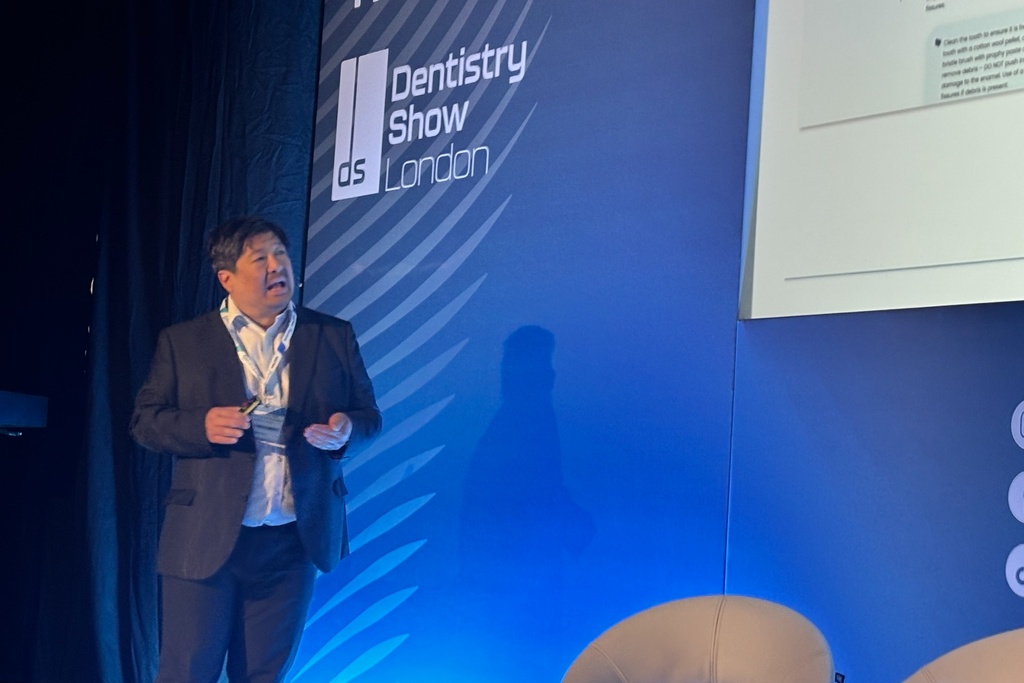
In a speech at the Dentistry Show in London on 9 October, he spoke of how dental professionals were spending their lunchtimes and evenings writing up clinical notes fearing that missing something off could be ‘career-ending.’
Dr Wong explained how he was trying to get ‘proportionality into this’ and ‘not have people worried and basically in crisis.’
The chief dental officer also spoke of ‘quite a high amount of burnout’ within general dental practice and with some professionals spending ‘as much time writing their notes as they treated the patient.’
Referring to the use of AI scribing tools to record patient conversations in real time, he said, ‘The volume of AI notes is getting incredibly scary. If we don't get sorted out what we should have in there, or what we shouldn't have in there, the AI notes you'll be opening up computer files that are the length of textbooks, which is utterly unnecessary.’
In January this year, NHS England issued new guidance backing the use of AI notetaking tools by medical professionals saying they could free up more time to spend with patients.
But research in the British Medical Journal in September warned that they could miss important information such as facial expressions, gestures and emotional state and could lead to staff becoming deskilled.
Referring to the burden of note-taking on dental health professionals, Dr Wong said he was aware of ‘people working through their lunch hours and logging in the evenings.
He said there were ‘people absolutely at crisis point thinking that if they miss something off their clinical records, that was the end of their career.’
Dr Wong explained that he was trying to address the huge pressures being placed on dental professionals trying to write everything down in the fear of being sued or referred to the GDC.
He said, ‘So it is true that whilst I'm not advocating for poor practice or poor clinical record keeping, I'm trying to get proportionality into this, and not have people worried and basically in crisis over trying to write everything down that that they have.’
But he also pointed out that the pressures were being created by parts of the dental profession itself, and individuals being too demanding. He singled out expert witnesses – such as within the GDC – and even some clinical advisors at NHS England.
‘Some parts of our profession is part of the problem. Some expert witness who go and look at something and say that's inadequate, in my mind, is part of the problem, and that needs to be addressed.
‘What shocked me was there were two or three, the expectations of these clinical advisers, who were part of the NHS England clinical advisers team, was so high it was almost unbelievable.’
In September, GDC head of regulation Theresa Thorp stressed that reducing the negative impact of regulation was ‘central’ to the GDC’s strategy, acknowledging how ‘fear of regulation shapes how dental professionals practise’.