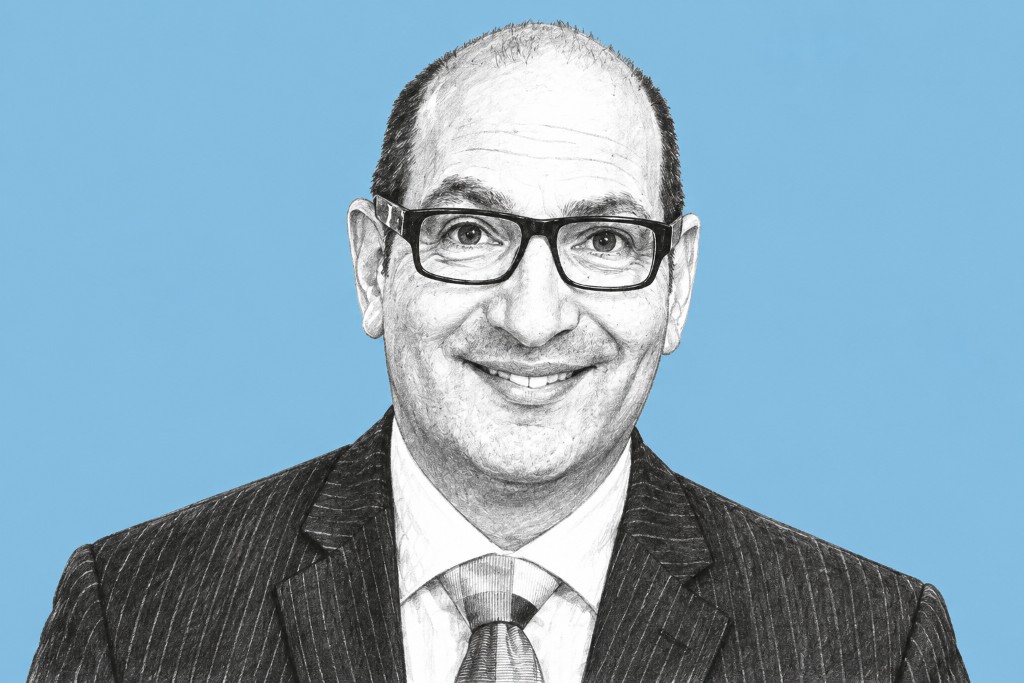
GDPUK founder Dr Tony Jacobs warns that potentially illegal dental tourism meet-ups in UK hotels are not being regulated
One of the recurring frustrations in public policy is that when responsibility is divided between multiple regulators, accountability often disappears altogether.
The public understandably assumes that if an individual offers dental advice, examines a patient’s mouth, discusses treatment options, prepares a treatment plan and occasionally arranges radiographs, somebody in the UK regulatory system must be responsible for oversight.
Yet the emergence of dental tourism 'pop-up events' in hotel conference rooms appears to expose a gap between regulators that nobody seems particularly eager to close.
If the same activity occurred in a high street dental practice, regulation would be extensive.
The premises would likely require CQC registration and those registrants would be accountable to the GDC.
Radiation activities would potentially involve IR(ME)R (Ionising Radiation Medical Exposure Regulation) obligations and oversight from the CQC in England. Health and safety obligations would remain in force. Consumer protection legislation would also apply.
Move the operation into a hotel for a weekend, and suddenly the regulatory picture becomes much harder to discern.
However, a simple web search will show these events are occurring, with no regulatory oversight at all, weekend after weekend in the UK. Both the GDC and the British Dental Association have previously told GDPUK these events are potentially illegal as the dentists providing the consultations at the hotels are not registered with the GDC.
Should the CQC intervene?
The issue that repeatedly returns is whether these events are providing a regulated activity.
Many colleagues who have attended or investigated such events report that prospective patients receive examinations, personalised treatment recommendations and discussions regarding extensive treatment abroad. In some cases, patients and online discussion forums describe radiographs being arranged locally to support treatment planning.
At what point does this cease to be marketing and become the provision of healthcare?
If a dentist examines a mouth and develops a treatment plan, most members of the dental profession, and the British public, would conclude that a healthcare service has been provided. If that healthcare service is being provided from a hotel suite, should the premises itself be registered with the CQC as a location for diagnostic and screening services?
When GDPUK approached the CQC in May to warn them of these ‘meet ups,’ a spokesperson told us, 'As there is no regulated activity taking place, the CQC cannot play a role in these ‘meet ups’.
What about the GDC?
The GDC’s primary purpose is protecting patients. It would therefore seem reasonable to ask whether individuals carrying out intra-oral examinations or giving professional dental opinions to members of the public in the UK should be subject to effective oversight.
The response many observers receive is that the issue has been referred internally, considered by policy teams, or remains under review.
The GDC told GDPUK in May that they had 'concerns about these events' and 'will discourage events of this kind where we can', pointing out that it is illegal for anybody who is not a GDC registrant to provide dental treatment in the UK.
Meanwhile, the meet-ups continue and over the coming weeks, events are due to take place in Shrewsbury, Deal, Ipswich and Wrexham.
Why are hotels hosting these meet ups?
Perhaps the most overlooked participants are the hotels themselves. Most major hotel chains operate rigorous compliance procedures. They understand licensing law, food safety obligations, fire safety requirements, safeguarding expectations and health and safety legislation.
Would they knowingly host an unregistered healthcare activity if they understood there was a question regarding regulatory compliance?
Many may simply regard these bookings as commercial exhibitions or promotional events. Yet if examinations are occurring and treatment plans are being provided, a reasonable person might conclude that something more significant is taking place.
The BDA deserves credit for engaging with hotel operators on this issue. Whether that effort ultimately succeeds remains to be seen.
Dr Eddie Crouch, the BDA’s chair has previously criticised the regulators for being ‘seemingly unwilling to tackle crimes taking place in plain sight’.
‘Dentistry in Britain is tightly regulated, but the authorities here seem utterly untroubled these clinics are now touting for business in UK hotels,' he previously told GDPUK.
The deadly consequences of health tourism
The wider importance of this issue extends beyond regulation.
In April, an inquest in Norwich heard how Pawel Bukowski, a 48-year-old forklift driver, had taken his life after failed dental treatment in Turkey. Although there is no evidence Mr Bukowski attended a meet-up event beforehand, his death highlights the potentially dangerous consequences of health tourism.
The question remains entirely legitimate. If aggressive sales activity in the UK contributes to vulnerable individuals making life-changing healthcare decisions overseas, should regulators take greater interest in the point at which those decisions are first influenced?
Coroners exist not merely to examine deaths but to identify opportunities to prevent future harm.
The problem may not be that the GDC is failing. It may not be that the CQC is failing. It may not be that hotels are failing.
The problem may be that every organisation can point to another organisation and argue that responsibility lies elsewhere.
That is how regulatory gaps develop. Patients see dentists examining mouths in hotel conference rooms and assume somebody is in charge. Increasingly, the question is whether anybody actually is in charge.
Who will seize this issue and ensure this loophole closed before there are more unnecessary deaths?