The funding of appraisals brought introduced in this year’s contract is the ‘first step’ towards GP-style accreditation, chief dental officer Dr Jason Wong has said.
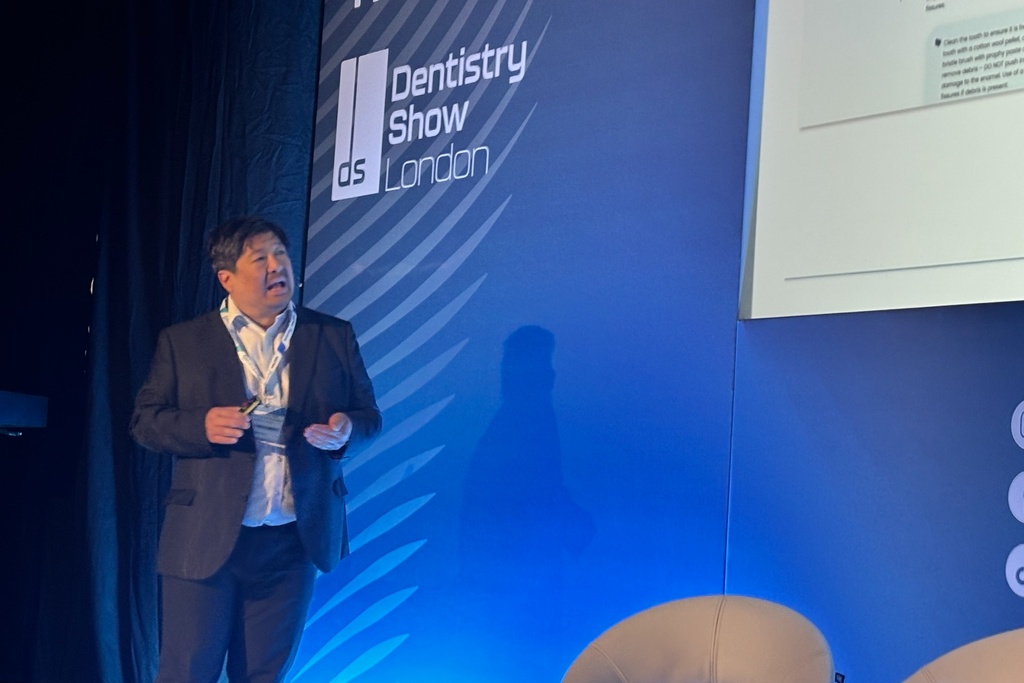
Speaking at the Dentistry Show in London on Friday 9 October, Dr Wong said that the changes to the contract that saw appraisals being funding for NHS dental workers were ‘light touch’, but he hoped they would ‘start the conversation’.
In the April 2026 changes to the contract, NHS England committed to funding appraisals for a sum of £213, which is converted into the monetary value of the practice’s UDAs.
It is open to dentists, dental therapists, and dental hygienists who spend a minimum time on NHS care, equivalent to two whole working days per month or 12 days across a continuous 6-month period, with the appraisal focusing solely on the practitioner’s NHS work.
Appraisals in NHS dentistry are not compulsory, but general medical practitioners and other doctors have to undergo ‘revalidation’ every five years based on annual appraisals in order to stay on the General Medical Council register.
Before revalidation was introduced in 2012, the BMA had criticised the plans, warning that there had not been enough attention paid towards the paperwork burdens on doctors, an assessment backed by a health select committee report.
A survey by GDPUK’s sister title for GPs Pulse six years into the scheme revealed that GPs spent on average 55 hours per year on revalidation, while the BMA’s annual representative’s meeting declared that the pause in revalidation during the Covid pandemic ‘did not affect patient safety’.
However, criticism of the scheme has died down in recent years.
Dr Wong said: ‘We believe appraisals are an important thing, and we don't have a GP type reaccreditation kind of system. So this is, if you like, the first step, and it is pretty light touch in terms of the appraisal being carried out and then the eligibility
‘We're hoping that this will start the conversation. If you talk to the CQC, they'll tell you they expect practices to already be doing this anyway, because they would expect, as a good employer, as good leadership within the practice, you should have been having the conversations about what they want to do next year. So actually being paid for it just adds to it. The CQC is very clear about what it expects.’
He added that, as well as appraisals, the profession should develop a greater culture of mentoring. He said: ‘I don't think we're very good at mentoring. We hardly ever observe, learn from someone senior just because we think it will help us.
We just don't do it. It's something that's inherent, and actually we should. I normally ask the question: “When was the last time you watched a colleague work that wasn't a subordinate, wasn't someone that you were supervising, wasn't someone that you were helping?” And very few people would put their hand and go, "Yeah, yeah, I do that every month or so in order to learn how to do something or to watch a senior colleague”.
‘It’s something we really want to pull together: get the profession to talk to the profession a bit more, get people to get along a bit more, as part of the peer review, as part of the clinical audit, as part of the appraisal, and how we can share that, and hopefully change the entire culture of what we're trying to do.’
At the same talk, Dr Wong said that he acknowledges that naming the new care pathways 'complex' in this year's contract was an 'error'.