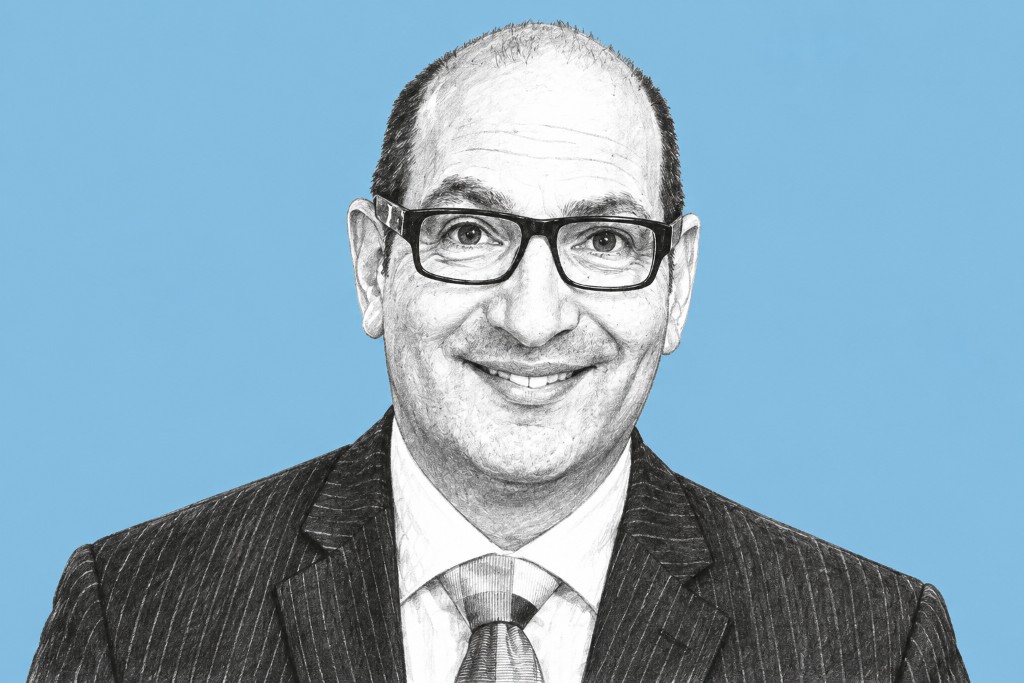
Dr Tony Jacobs, founder of GDPUK, argues that upscaling of dentistry will only succeed if larger groups retain practices' place within the community
I’ve watched with interest the steady rise of modern publishing empires created by familiar public figures such as Gary Lineker and Gary Neville. Through video and audio platforms online, they and their partners have built influential content networks by acquiring smaller producers with established audiences. Each acquisition adds reach, credibility, and scale, gradually forming a recognisable mini‑empire anchored by a trusted personal brand. In time, these collections of podcasts and vlogs are often sold to larger media companies, folded into wider commercial portfolios, and the cycle continues.
This pattern is strikingly similar to what we are now seeing across dentistry. Independent practices grow into small corporate groups, which are then consolidated, commoditised, and eventually acquired by ever‑larger entities. On paper, the logic makes sense: scale brings purchasing power, systems, and investor appeal. But beneath the surface, the transition raises a more fundamental question about sustainability.
Can these businesses truly continue to grow once they are subject to centralised micro‑management and divested of the owner who built the practice through direct, personal involvement? The dentist who once oversaw marketing, managed the books, scrutinised the finances, and took personal financial risks - often securing loans against their own home - is no longer present. That individual decision‑maker, whose livelihood was inseparable from the success of the practice, has been replaced by layered management structures and distant oversight. Many colleagues eventually retire, and the professional literature is filled with discussions on how difficult these transitions can be for business managers attempting to maintain momentum without the original pilot at the controls.
This leads to a related, and often overlooked, issue. When will the day arrive when media commentators, journalists, NHS commissioners, backbench MPs, and health ministers fully acknowledge that high‑street dental practices exist entirely because individual dentists have invested their own capital at personal risk? This risk, usually secured on their family home, inevitably shapes future decision‑making. Like any business owner, they must pursue profitable pathways to protect their investment and ensure long‑term viability, as well as making their patients happy. In doing so, they operate in a competitive marketplace, delivering services the public across the country actively want and value. If NHS Commissioners genuinely wish to engage with these practitioners, they must present opportunities that offer a credible chance of financial sustainability. Without that, no contract, no tinkering - however well intentioned - will succeed in practice.
Established dental practices are not simply bricks, chairs, and contracts. They are communities built over years, sometimes decades, consisting of thousands of loyal patients who recognise the path to the front door, know the phone number, and trust the team inside. Alongside them is a dedicated group of dental care professionals who embody the values, reputation, and the continuity of the practice. Any change in ownership must contend with these human factors as much as with spreadsheets and KPIs.
The real challenge lies in achieving balance. Incoming owners and regional management teams must implement necessary operational changes - often to meet investor expectations - while preserving the distinct qualities that made the practice successful in the first place. This means respecting existing relationships, local knowledge, and clinical culture, rather than replacing them wholesale with standardised systems. Navigating this transition successfully requires judgement, sensitivity, and coordination, ensuring patients and staff feel continuity rather than disruption.
Ultimately, this is one of the defining challenges faced by practice accumulators today: how to scale without erasing the very attributes that created value in the first place.