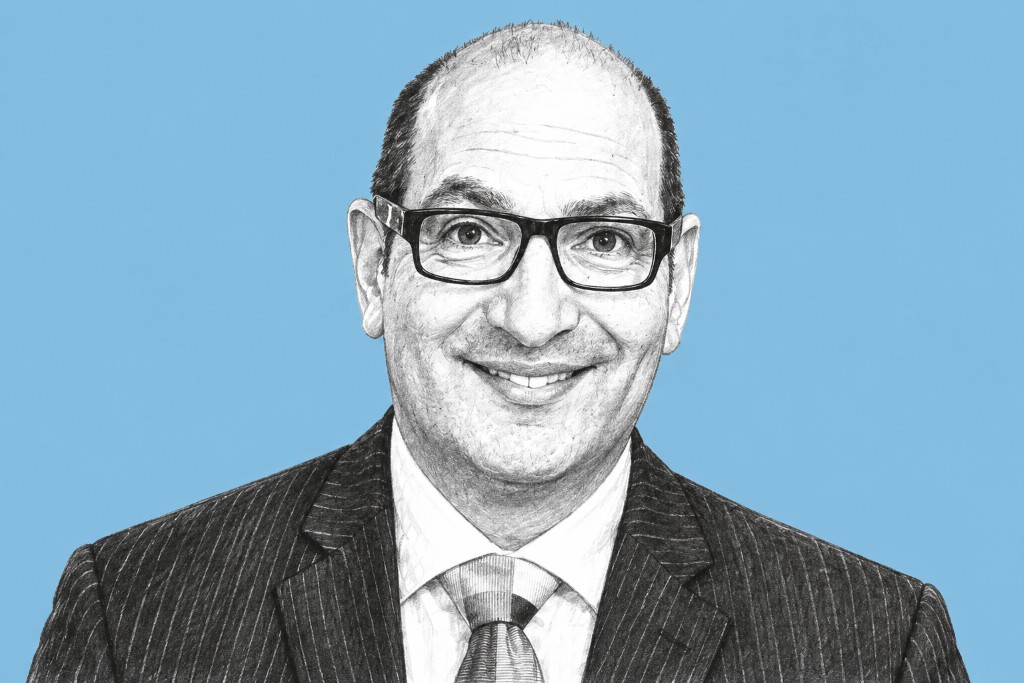
Burnout is a huge issue for the profession, and spotting the signs early in our colleagues and ourselves is vital, says GDPUK founder Dr Tony Jacobs
I wrote the words 'mental resilience in dentistry' at the top of my Word document and paused. What a massive topic.
How can we discuss professional identity, workplace pressure, and the relationships that underpin a sustainable dental career in a comparatively short blog? It is a subject that stretches far beyond wellbeing initiatives and self-help advice. It touches every stage of a dentist's journey, from undergraduate training through to retirement.
Mental resilience in dentistry is not simply an individual wellbeing issue. It is the product of professional identity, regulatory pressure, team relationships, financial uncertainty and the ability to sustain meaning in clinical work over decades.
Dentistry is an unusual profession. We are expected to combine science, engineering, artistry, communication and business management, often all within the same working day. We are responsible for patients' health and wellbeing, yet we frequently work in relative isolation compared with many other healthcare professions. Every decision carries responsibility, every mistake feels personal, and every complaint can strike at the heart of our professional confidence.
This blog is not linked to World Suicide Prevention Day, which was observed on 10 September this year and is marked by the World Health Organisation. The theme for the past three years has been 'Changing the Narrative on Suicide'. This final year of the campaign sought to break down stigma, replace silence and misunderstanding with open and compassionate dialogue, and encourage institutions and governments to prioritise suicide prevention within public policy.
Yet the theme resonates strongly with dentistry.
My own train of thought on this topic was prompted by becoming aware of the Canmore Trust, established in the UK in 2022, and by reflecting on the tireless work undertaken by charities such as Confidental, founded in 2020. Around the same time, I read a social media post reporting that four dentists in the US had taken their own lives during the second half of October alone.
Whether that figure is ultimately confirmed or not, the fact that such reports circulate should make all of us stop and think.
Behind every statistic is a person. A colleague. A friend. A family member. Someone who once sat in a dental school lecture theatre with hopes and ambitions, built a career, treated patients and faced the same daily pressures that the rest of us recognise so well.
These tragedies affect people across our profession, of all ages, backgrounds and career stages. They leave behind grieving families, friends, colleagues, patients and communities. The effects ripple far beyond the individual.
Perhaps one of the greatest challenges is that we often do not know who is struggling.
We chat with colleagues. We see each other at conferences, courses and study clubs. We exchange pleasantries online and in person. Someone may appear successful, confident and busy, while privately carrying burdens that nobody else can see.
Many years ago, I found myself deeply unhappy in dentistry and seriously considered walking away from the profession altogether. I was probably in my 30s. Looking back, perhaps it was burnout. Perhaps it was frustration. Perhaps it was the sense that I was not fulfilling my potential or finding enough meaning in my work. Whatever it was, I managed to work through that period.
The important point is that very few people around me would have known what was happening beneath the surface.
That experience taught me something valuable. We rarely know the full story of another person's circumstances. Physical health challenges, mental health struggles, financial pressures, family concerns, relationship difficulties or professional anxieties are often carried quietly and privately.
As a profession, we are very good at finding time to discuss clinical techniques, new materials, digital workflows, regulation, practice management and business growth. These conversations matter and they help us develop.
But we must also make time to talk with each other about how we are doing.
There is no denying that it is difficult to admit: 'I am not doing OK.'
We need to make those words easier to say. We need to create environments where vulnerability is not viewed as weakness but as a normal part of being human. We need to make it acceptable to start that conversation before a problem becomes a crisis.
Perhaps this conversation should begin much earlier. Perhaps resilience, self-awareness and the realities of professional life deserve a place within the dental school curriculum. New graduates are taught clinical skills, ethics and professionalism. They should also be prepared for the emotional realities of a long professional career.
So I would say, even though we have fewer face-to-face professional and peer review meetings, put this on the agenda of your next study club, your next team meeting, your next lecture, the next national conference. Let’s make some room for the start of a profession-wide conversation.
The dental profession is amazing – we are artists, engineers, we have empathy for our patients, we run our practice, we make time for everyone, we are an important cog in our communities. We have to make this support a priority. Let’s share it.
And from me to you, the reader – if you are having problems, tell someone now. You deserve that help. The charities I named above are ready to help – or contact me through social media and I will talk, and guide you.