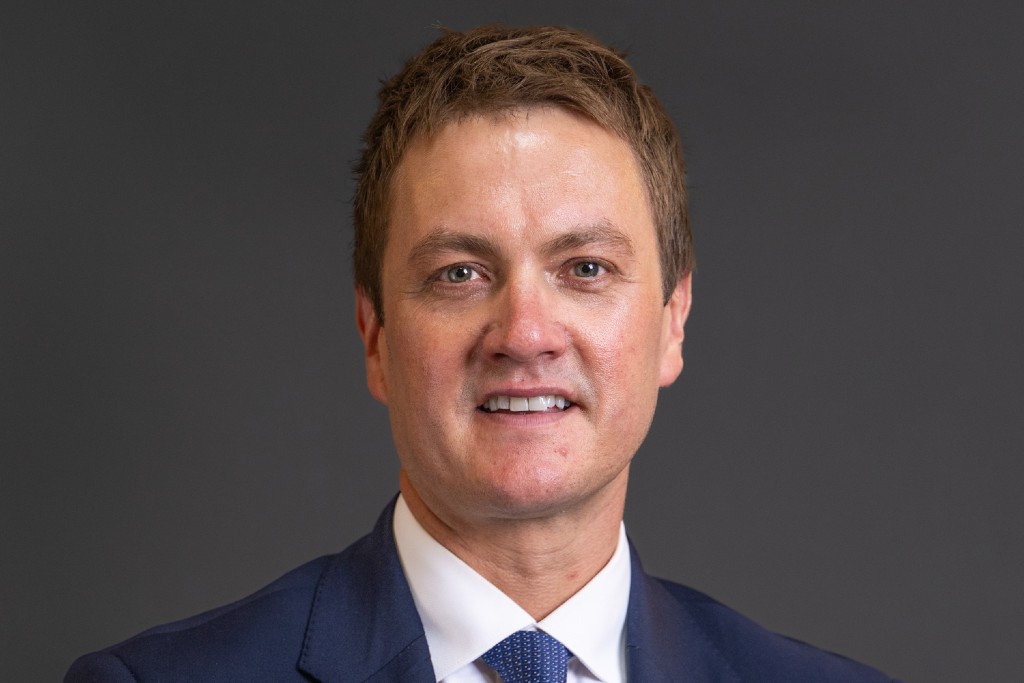
Maya Dhillon looks at the CV of new minister for dentistry James Frith and asks what his appointment might mean for the profession
Glastonbury has played an important role in the life of James Frith, the new parliamentary under-secretary of state with responsibility for dentistry. In a life before politics, he was the lead singer of a band called Frinka (performing under the name Jimmy Frith), who played a number of festivals, including Glastonbury. Perhaps worryingly for some dentists who feel the GDC has a pernicious role in their professional life, their most successful song was called The Whisteblower.
But there was also a bit of a local firestorm around him receiving free tickets to the Somerset mudfest. As he (probably quite fairly) pointed out, he was a minister of culture at the time.
It is unlikely Glastonbury will be playing a huge part in his new role, as parliamentary under-secretary of state for health innovation, with a responsibility for dentistry. But his appointment does represent a deviation from the previous formula - in which all of primary care would sit under one minister (previously Stephen Kinnock. Why this has happened, we are unsure of at the moment, though GDPUK has asked the Department of Health and Social Care. But it is true the same level as Mr Kinnock - being a parliamentary under-secretary of state rather than a minister. Or, if you like, a 2pm slot on the Park Stage as opposed to an evening show on the Other Stage.
Aside from dentistry, Mr Frith’s new role covers a number of responsibilities. Commenting on his new portfolio, the MP for Bury North highlighted his ‘delight’ at working on NHS technology, rare diseases and men’s health.
Though dentistry was conspicuously absent from that statement, Mr Frith does have a track-record with dentistry, questioning the value of UDAs, issues with overseas recruitment and patient access.
We look at his career so far, and about what his appointment could mean for dentistry.
Who is James Frith?
After serving as a councillor for four years in Elton, Bury, Mr Frith first ran for Parliament in 2015. He lost the Bury North seat to Conservative incumbent David Nuttall, but went on to win the seat in the 2017 general election.
In parliament he was a member of the education select committee, chaired the All Party Parliamentary Group for hospice and end of life care, and was appointed as parliamentary private secretary to John Healy - then the shadow secretary for housing, and now defence secretary.
He lost his seat in the 2019 general election but was re-elected in 2024. Until July this year, Mr Frith was the under-secretary of state in the Department for Science, Innovation and Technology, was when he appointed as a minister in the Department of Health and Social Care.
What has he previously said about dentistry?
Mr Frith's parliamentary record offers some clues about the issues he may now be expected to tackle as dentistry minister.
NHS contract
As a new MP in 2018, he asked the Government how many Units of Dental Activity (UDA) had been delivered in Bury North, Greater Manchester and England over the preceding five years. He followed this by asking how many NHS dental contracts had not been completed, and how many UDAs had gone undelivered in each case.
While it would be senseless to extrapolate questions from eight years ago into what concrete policies he might believe now, it does show that he hopefully doesn't need a full crash course into UDAs.
Recruitment
He also asked raised the issue of the number of overseas-qualified dentists waiting for a Performer Number. The current NHS England workforce plan committed to increase dentistry training places by 40%, and training places for dental therapists and hygiene professionals to more than 500 by 2031/32.
Which is all very well. But as pointed out in our analysis on the new health secretary, this may not be as easy as said. Immigration laws brought into force last year - by Yvette Cooper herself when she was home secretary - have made it more difficult for overseas-trained dental nurses and technicians to enter UK dentistry. Both roles have been removed from the eligibility list for Skilled Worker visas. This was raised by the BDA at the time, citing the ‘devastating’ effect on practices already struggling to recruit staff but seems to have fallen on deaf ears since.
For Mr Frith then, he will be challenged to build the wider dental workforce. More training places will increase dentist supply in the long-term but still leaves us with the strained immediate situation we are in. One might hope that his previous interest in overseas trained staff may prove relevant. But whether he can make the case within Government for changes to immigration policy that his new boss previously introduced will be another test of his tenure.
Access
Ahead of the 2024 general election, Mr Frith wrote in the Bury Times that the Conservative Government had created a plague of dental deserts across the country, with many patients resorting to DIY methods of treatment. He reiterated the Labour Party’s commitment to deliver an additional 700,000 urgent appointments a year, targeting issues like fillings and root canals.
In December, he welcomed the reforms put forward by the new Government which both ensured that dentists were fairly supported and remunerated to deliver NHS care, and allowed patients to access it more carefully.
This has been the mantra for Labour MPs when discussing dentistry - so we know he is on message.
Private dentistry review
The pending review into the private dental market is another issue which Mr Frith will be expected to deal with. Conducted by the Competition and Markets Authority, it was commissioned by previous chancellor Rachel Reeves who warned of ‘overtreatment’ and ‘lack of transparency’ in the private sector.
Mr Frith has said very little publicly about private dentistry; apart from that the lack of capacity will push those that can afford private care to leave the NHS, with those less fortunate left with a ‘below-par’ service which can rarely be accessed. With the CMA due to report back next year, Mr Frith will be the one examining its results and the implications for dental practices.
How has his appointment been received, and what do dentists want from him?
The British Dental Association (BDA) put out a statement congratulating and reminding Mr Frith of the work that lies ahead of him with dental access and widening inequalities. It added that they ‘stand ready’ to work together to ‘restore access to NHS dentistry to all who need it’.
BDA chair Dr Eddie Crouch echoed these sentiments on X, saying he could expect to receive a message and brief from the union soon. He added: ‘We have welcomed the commitments made by your Government. What we need now is urgency and ambition to translate them into tangible action.’
The Association of Dental Groups (ADG) also welcomed Mr Frith into the role and said that they ‘looked forward to working with him’. Neil Carmichael, executive chair, said he hoped that they could continue to address ‘the massive workforce gap’ and ‘ensure the implementation of the interventions’ announced by predecessor Stephen Kinnock.
Mr Kinnock, now the secretary of Wales, was highly-regarded by both the BDA and ADG, as much of the work done on NHS contract changes was carried out under him. Hopefully, Mr Frith will be able to continue on that wave of goodwill and improve upon it.
GDPs will be looking to see whether Mr Frith will embrace his new role with the urgency called for by the BDA, while recognising that the challenges facing NHS dentistry extend beyond the contract itself. His tenure will be judged not only on whether he can improve access, but on whether he can make NHS dentistry viable for the workforce needed to deliver it. If he makes it work, he might make it on the political version of the Pyramid Stage in no time at all.