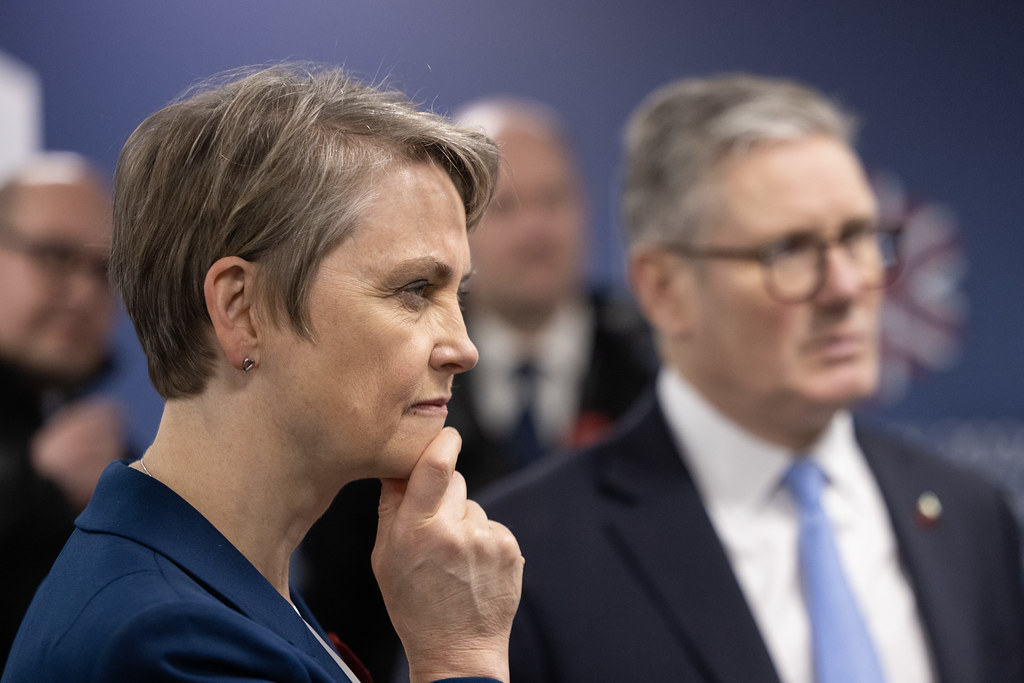
There is a true heavy hitter in the role of health secretary in the form of Yvette Cooper. While she has spoken out about dental deserts, she has made life hard for herself through her immigration reforms while home secretary. Jaimie Kaffash analyses what her appointment might mean
Farewell James Murray, we hardly knew you. But while even Mr Murray’s closest allies would appreciate that he was probably keeping the health secretary seat warm between the resignation of Wes Streeting and the eventual anointment of Andy Burnham, the new Prime Minister has appointed a true heavy hitter to the role.
Former home secretary Yvette Cooper was a surprise appointment as health secretary. Many tipped former deputy prime minister Angela Rayner for the role, but she ended up in housing. Ms Cooper isn’t completely new to health. She entered Parliament in Tony Blair’s huge victory in 1997, and was a junior minister who helped introduce Sure Start – widely considered one of the Blair government’s major achievements.
She has also held two of the major offices of state – foreign secretary and home secretary. If nothing else, this means she will have a major voice in Cabinet – one would hope that this can only be a good thing for dentistry.
The BDA was very proud to be the first professional trade body to meet with Mr Streeting when he became health secretary. Without access to Ms Cooper’s work diary, we don’t know if this will be true with her too. But the truth is it is unlikely. Commentators are saying that her role will be much more focused on social care, and within healthcare, she has been left a huge to-do list – chief among them is managing the abolition of NHS England and the implementation of the 10-Year Plan.
Bur she cannot afford to treat dentistry as the Cinderella service. These next few years will be vital for the future of the profession, and not only in terms of the NHS. With that, she has three major things in her inbox when it comes to dentistry – the future of the NHS contract, recruitment, and the implications of the Competition and Market Authority review into the private dental market.
NHS contract
Mr Streeting vowed to address the problems with the NHS contract, and overhaul the unpopular UDA system in England. However, when it became clear that Mr Streeting was resigning as health secretary, the BDA expressed concern that there was a ‘material risk that promises to fix NHS dentistry within this parliament could not be kept’. It added: ‘A consultation on the future of the discredited contract fuelling the crisis in the service - pledged for this summer - has been put on hold.’
Yvette Cooper has raised the issue of dental deserts and the lack of NHS capacity a number of times. On her site, she discussed the fact that her constituents are travelling long distances to see a dentist, or resorting to DIY treatment. She polled visitors to the site on whether they wanted 700,000 extra appointments – conveniently, that is what Labour were proposing.
She has also spoken in Parliament about the lack of provision – directly and indirectly. In health questions to then health secretary Sajid Javid in 2021, she said: ‘NHS dentistry is facing a capacity crisis. There is a huge backlog of urgent care and treatment, which is leaving many dentists overwhelmed. Patients, including those in Pontefract and in towns across the country, are now unable to get routine check-ups, which is making the urgent care crisis worse and creating a vicious spiral.
‘Will the health secretary ask his ministers to meet dentist groups and patient groups in Yorkshire to hear about the urgent crisis they are facing and set out an urgent plan to deal with the huge capacity crisis in NHS dentistry?’
More interestingly was an example brought up by Wes Streeting in 2022. He said: ‘Let me tell the health secretary about a constituent of (Yvette Cooper). She tells me that this constituent cannot get a dentist appointment anywhere for an unbearable toothache, and that they are in too much pain to sleep through the night. When they contacted a dentist, they were told that they would have to wait two years for an appointment. They wrote in an email: “I am in such agony that I took Ibuprofen, drank whisky and tried to pull it out myself with plyers, but they kept slipping off and it was agony.”’
Of course, whether this translates into action when she actually has the power to do something about it and continue negotiations for a new contract is another matter altogether. But, like her (almost) direct predecessor Wes Streeting, she at least acknowledges the issues within the sector.
Recruitment
The Kings Fund said that Yvette Cooper’s priority should be publishing the NHS workforce plan. This has already been delayed, as it was due earlier this year. The current NHS England workforce plan – released under the Conservative government – committed to expand dentistry training places by 40%, and increase training places for dental therapists and hygiene professionals to more than 500 by 2031/32.
The Labour Government’s 10 Year Plan focused on NHS work. It committed to requiring all newly qualified dentists to work in the NHS for a minimum of three years. It also committed to ‘fundamental contract reform’, and dentists working within ‘neighbourhood teams’. It advocated the wider use of dental therapists, who ‘could undertake check-ups, treatment, and referrals, while dental nurses would lead individual and community oral health education efforts. The work therapists cannot do would be safely directed to dentists.’
This sounds great. But there is a spanner in the works. Because immigration laws brought in last year have made it harder for overseas-trained dental nurses and technicians to enter UK dentistry because both roles have been removed from the list of eligible roles for the Skilled Worker visa. If the new health secretary is looking for someone to blame, she doesn’t need to look far – the policy was introduced by previous home secretary Yvette Cooper.
At the time, the BDA wrote to both Ms Cooper and Mr Streeting, saying that the move would ‘have a devastating effect on dental practices already struggling to recruit staff and provide dental services’. With Shabana Mahmood retaining her role as home secretary, it is unlikely this policy will be reversed any time soon – perhaps to Ms Cooper’s regret.
Private dentistry review
The other major issue on the horizon for the health secretary is the review into the private dental market being conducted by the Competition and Markets Authority. The review was launched earlier this year by then chancellor Rachel Reeves, who had warned of a ‘scourge of hidden costs, lack of transparency and overtreatment’ which she claimed had ‘blighted families’ for too long.
As GDPUK reported in May, the BDA has had criticisms regarding its methodology, claiming that the CMA has ‘muddled’ its figures. Regardless, the CMA’s review will look at how treatment prices have changed as well as issues such as whether competition between private clinics is encouraging them to lower their fees, how easy it is for patients to complain and if dentists are engaging in so-called ‘unfair business tactics.’ The watchdog says it has been made aware of cases whereby dentists will only accept children as NHS patients if their parents register privately. It also says concerns have been raised about dentists ‘upselling,’ where they encourage patients to have higher-end treatments.
Although it will not be reporting back until next year, this could have major implications for dental practices. The CMA could decide to launch a formal investigation and impose legally-binding measures, which is what happened with the vets’ market – it decided to impose price caps on prescription fees and publish their price lists. Unsurprisingly, the investigation and media coverage has significantly dented public trust in vets.
How much Ms Cooper decided to concentrate on dentistry will become apparent in the next few months. But it is clear that there is a lot for her to tackle if she decides it is a priority.