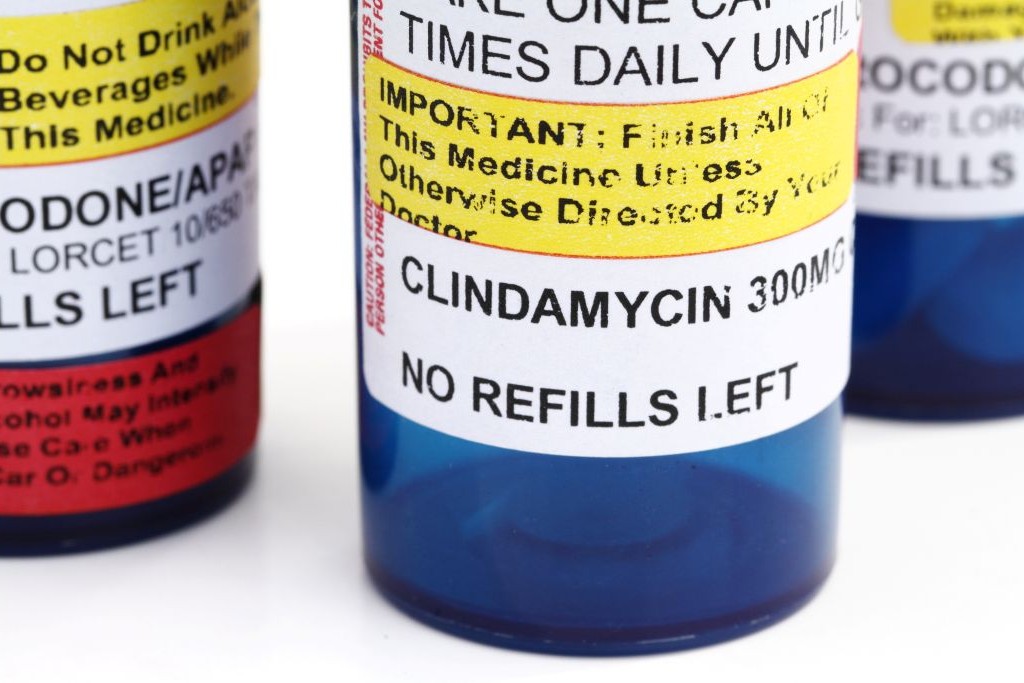
Nearly one in five patients treated for dental pain across a health network in the US state of Michigan were prescribed clindamycin, an antibiotic associated with potentially life-threatening complications, according to new research.
The antibiotic is linked to an increased risk of Clostridioides difficile (C difficile) infection, which can cause severe diarrhoea and damage the lining of the intestine.
The study, published in Open Forum Infectious Diseases, examined records from more than 12,000 patients attending urgent care centres, emergency departments and primary care practices within the Trinity Health Michigan Network between January 2020 and August 2025.
Although 75% of patients received penicillin-class antibiotics, in line with American Dental Association (ADA) recommendations, clindamycin was still prescribed despite ADA guidelines published in 2019 recommending safer alternatives.
Clindamycin has carried the US Food and Drug Administration’s strongest safety warning for decades because of the risk of C difficile infection.
In a sample of 594 patients assessed for outcomes, clindamycin also had the highest rate of treatment failure of the four treatment groups examined.
Overall, around 5% of these patients required a different antibiotic or an additional prescription for the same antibiotic within 30 days, compared with 11% of those prescribed clindamycin.
Some clinicians prescribed clindamycin because patients had reported allergies to penicillin.
However, among patients receiving antibiotics other than penicillin, 21% had no documented penicillin allergy or intolerance, while 27% had only a mild allergy or intolerance.
In addition, 35% of patients prescribed clindamycin had reported relatively minor reactions to penicillin or similar antibiotics, such as mild to moderate rashes.
Lisa Dumkow, a clinical pharmacist at Trinity Health Grand Rapids in Michigan and senior author of the study, said: ‘The majority of patients did not need clindamycin. They could have gotten an alternative antibiotic.’
Within the outcome sample, more than half of patients were treated at urgent care centres, while 40% attended emergency departments and 8% were seen in primary care.