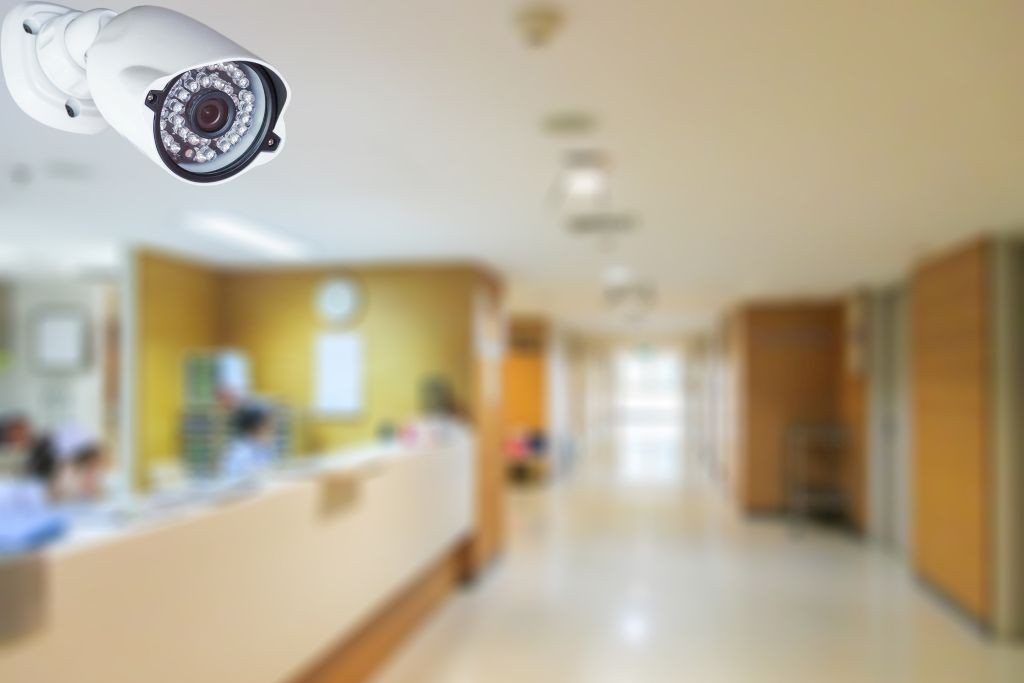
British Dental Association’s dento-legal advisors say they receive a huge number of queries from dentists wanting to install CCTV into their practices. The rules on where cameras can be set up are unclear and patients and other staff may rightly be concerned about their privacy. Dr Bindiya Thakrar and Dr Joseph Ingham spoke about this at the Dentistry Show in London on 9 October. This is an edited version
Are dental practices allowed to install CCTV anywhere on their premises including treatment rooms?
CCTV is commonly installed in public areas, such as waiting rooms and car parks, which is permitted if appropriate signage is displayed. However, the Care Quality Commission (CQC) considers clinical and treatment rooms to be private areas. The CQC states that equipment recording audio or conversations should not be installed in these rooms. Its position does not expressly address visual recording, leaving an area of uncertainty. Whether CCTV is appropriate therefore depends on the individual circumstances.
What should dental practices do if they want to install CCTV?
Arrangements that are appropriate for one practice may not be suitable for another. Members are therefore advised to consult the Information Commissioner’s Office (ICO). In our experience, its advisers adopt a pragmatic approach, considering the circumstances of each practice and providing advice accordingly. As part of this process, practices will need to undertake a Data Protection Impact Assessment (DPIA).
The assessment should consider whether CCTV can be justified in each proposed location and whether its use is necessary and proportionate. In particular, practices should consider whether the same information could be obtained through a less intrusive means that better protects patients’ privacy. This assessment is required wherever CCTV is proposed within the practice.
The use of CCTV in private rooms remains an area of uncertainty. Advice obtained from our panel solicitors indicates that its appropriateness depends on the individual circumstances. The threshold for justifying CCTV in a surgery is exceptionally high. Practices should consult the ICO, explain why they consider CCTV necessary and document the advice received as part of their decision-making process. They must also consider how recordings will be stored, how long they will be retained and the circumstances in which they may be disclosed. These matters should be addressed in a practice policy.
Should associates and other dental professionals be nervous that practice owners are going to spy on them via newly-installed CCTV?
CCTV is generally installed for security purposes and to safeguard those within the practice, rather than to monitor staff. This distinction should provide reassurance to associates and other dental professionals. It is unlikely that installing CCTV in a surgery for record-keeping purposes would be sufficient justification, therefore, footage should not be used for that purpose. Its use must serve a purpose that meets the exceptionally high threshold required.
Do patients have any rights to objecting to having appointments recorded by CCTV?
Patients are entitled to state that they do not wish to be recorded. The practice must then consider its original justification for CCTV in that location. If it considers that the required threshold continues to be met, it must decide whether to continue recording. This decision must be communicated to the patient, who can then decide whether to proceed with the appointment.