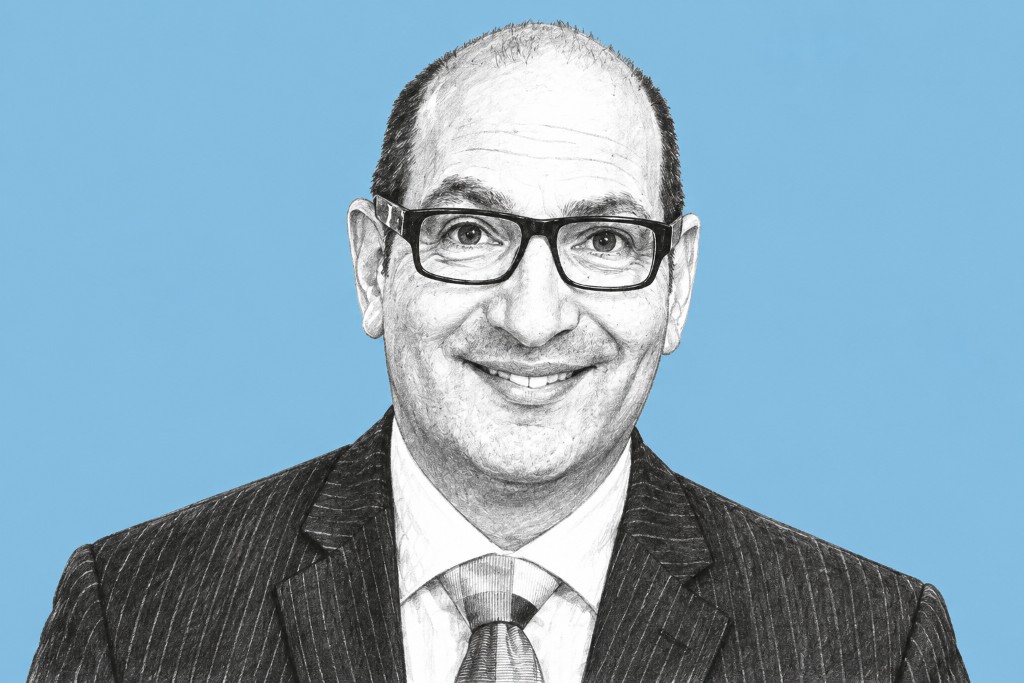
Amid all the promises from government and regulators, there is only one group who actually makes dentistry better for patients - and that is dentists, argues Dr Tony Jacobs
There is a familiar pattern in UK dentistry, it is becoming impossible to ignore.
Centralised policy ambition continues to outpace practical reality.
We are told NHS dentistry is being ‘reformed’. We hear of a more ‘proportionate’ regulator. We see headlines about innovation, technology, and transformation. On paper, everything is moving forward.
On the ground, very little has materially changed.
The NHS contract is adjusted, not fixed. UDAs remain, dressed up with new terminology and minor incentives. Access targets are announced, but without the workforce to deliver them. Dentists are expected to increase urgent care, improve prevention, and somehow remain financially viable - all within a system that has struggled for years to support any of those aims properly.
Regulation follows the same script. The language has softened; ‘trust’, ‘proportionality’, ‘support’. Yet many clinicians still carry the memory of a system that was anything but. Strategy documents are easy to write. Changing culture is not, especially for the Government and the regulators.
And then there is innovation. Internationally, dentistry is advancing at pace - AI, biomaterials, minimally invasive care. Yet in the average UK practice, particularly within the NHS, these developments feel distant, almost theoretical. There is no clear pathway from innovation to everyday care. We are promised the future, while still working within the constraints of the past.
A recent survey showed trust of the High Street dentist should be empowering the profession - 80% of the public answer this question affirmatively. Yet public trust of NHS dentistry as an entity is very low at 20%
So we arrive, once again, at the critical question:
Who bridges the gap between what is promised and what is actually possible?
It is not the Department of Health. It is not the regulator. It is not the policymakers announcing the latest initiative.
It is the dentist.
Dentists sit in their practice explaining to patients why they cannot get appointments, why treatment is limited, why expectations set by government statements are not being met. They carry the consequences of policies they did not design, within systems they cannot control.
They are, quite simply, the shock absorbers of a failing interface between policy and reality.
And when the system inevitably falls short, the pressure does not flow upwards - it flows directly into the practice.
This is not new. But it is becoming more pronounced.
A system cannot run indefinitely on aspiration. At some point, reality asserts itself. Workforce limits, financial constraints, and structural flaws cannot be wished away by strategy documents or press releases.
Until policy is grounded in what can actually be delivered - honestly, transparently, and with proper support - this gap will persist.
And as long as it does, the profession will continue to do what it has always done: Absorb the impact. Explain the gap. Carry the responsibility.
Unrecognised, but indispensable.