Peter Ingle reports on a recent survey that finds more patients are taking matters into their own hands due to costs
Although features in the media about dental deserts and the access crisis are familiar enough, an emerging development is that the discussion is moving from being about government policy and provision, to one of domestic budgeting.
Which may explain why a UK banking service provider has commissioned its own consumer research into the cost of dental emergencies, and gone on to offer suggestions to help its customers budget for their dental care. On behalf of thinkmoney, the polling organisation Savanta questioned 2,000 people in early February 2026.
It found that 1 in 15 of the UK population (around 7%) have resorted to DIY dentistry. Beyond this, it was clear that concern about cost was as much a barrier to care as fears about any actual treatment, with 11% avoiding appointments through dental anxiety and 9% living with dental pain because they cannot access or afford treatment. The concerns about costs related to both private and NHS fees.
Families were often prioritising their children’s dental health, with 12% of adults reporting that they ensured that their children had regular dental care even as they delayed their own treatment. This rose to 21% in the 35 to 44 age group.
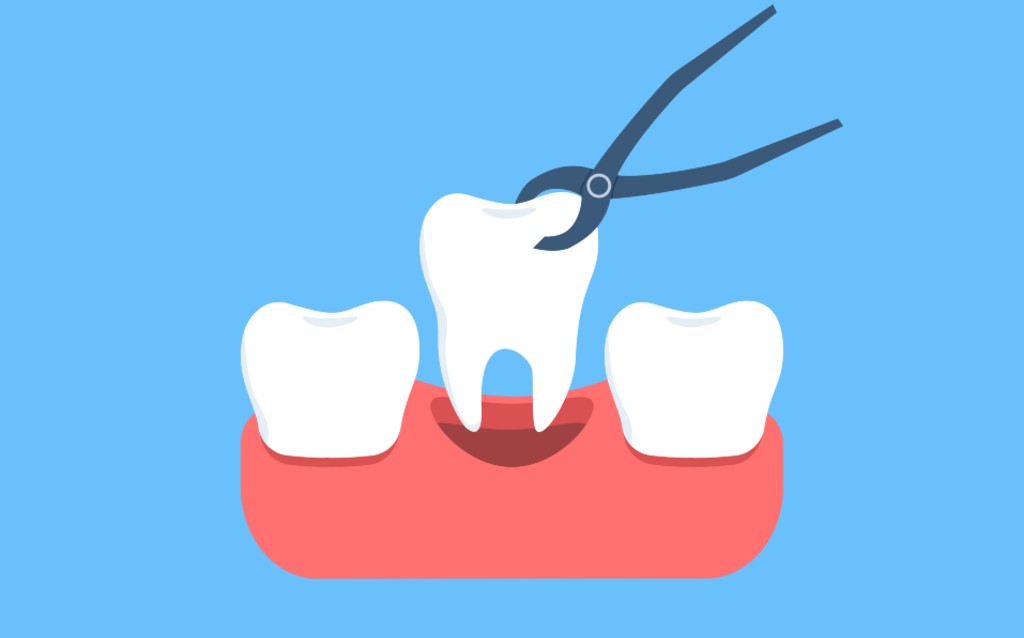
It was apparent that DIY dentistry is now well established: with whatever sharp tools were available. Over a third of those who said they had resorted to DIY dentistry said they had pulled out a loose or painful tooth with pliers, while nearly half used clove oil, other analgesic oils, or home remedies to control pain.
According to the research, the UK capital of home dentistry is Plymouth with 14% taking dental matters into their own hands. Glasgow came second, and Manchester third in the DIY league table. Many were resorting to videos on social media to help guide them.
A third of respondents felt that the cost of private care was too high, and 30% said they were unable to get an NHS appointment. In another survey commissioned by thinkmoney which investigated the various financial setbacks that responders had experienced, unscheduled dental care loomed large. The average figure of £1,226 will reflect treatments above and beyond immediate acute emergency care, but to those used to paying NHS patient contributions, it will have often come as a shock, and required reductions in other areas of household spending.
Vix Leyton, thinkmoney’s consumer expert, said: ‘Pulling out your own tooth with pliers might sound like something from history books, but for some households it is becoming a last resort they’re turning to.”
Vix offered some advice in her blog to those concerned about dental care costs. This included building dental costs into the regular budget, asking about payment plans and trying to deal with problems at an early stage.
As she explained: ‘One of the biggest risks we see is people leaving dental problems or trying to handle them themselves because they are worried about the cost. In reality, small issues are usually much cheaper and easier to fix early on. Modern dentistry has come a long way, and there are often more options than people realise, from staged treatment plans to payment arrangements that spread the cost. The most important step is speaking to a professional before things escalate.’
The general picture from thinkmoneys research is one that will not surprise GDPUK readers.
What it may highlight is that the access debate at least for some, is moving on from campaigning and lobbying for increased investment in NHS dental care, and shifting to looking at how the public can adapt to the new normal of UK dentistry.
In the words of Vix Leyton: ‘This is not just a health story. It is a cost-of-living story. We have reached a point where dentistry is no longer a routine part of looking after yourself. For many families, it has quietly become another bill to juggle, another decision to weigh up against the weekly shop, the rent, or the energy meter.’