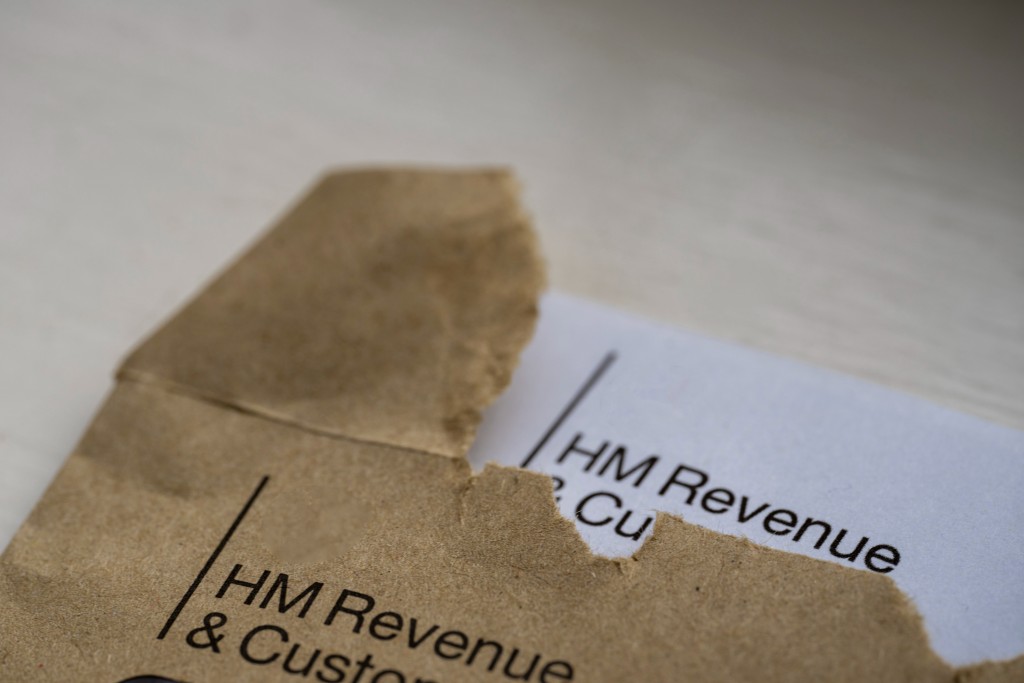
Stricture measures will be coming into force that could see practice owners and associates facing financial penalties. Stephen Lynch reports
Dentists who discover an error in a tax return could face tougher penalties if they fail to put it right under new draft legislation.
If you spot a mistake in an old tax return and decide that it can wait, you may face consequences. Under new HMRC proposals, doing nothing could become considerably more expensive.
Draft legislation for the 2026-27 Finance Bill would introduce a new general duty on taxpayers to take 'reasonable steps' to correct inaccuracies once they become aware of them.
The rules would apply widely, including to self-employed dentists and dental practices filing returns and other documents with HMRC.
New duty to correct
At present, taxpayers are already expected to take reasonable care over their tax affairs. If someone later discovers an inaccuracy that was neither careless nor deliberate when originally made, existing rules can treat it as careless if they fail to take reasonable steps to tell HMRC.
The proposed legislation on 'Modernising the correction of errors' would toughen that position.
This follows the 2025 Budget announcement that the Government would consult on requiring taxpayers to correct inaccuracies once they become aware of them.
If the law is changed, then once a taxpayer becomes aware that a return or other document is inaccurate, they would have to correct it themselves where possible. If they cannot make the correction directly, they would have to inform HMRC.
If they fail to take reasonable steps, the original inaccuracy would instead be treated as 'deliberate' for penalty purposes.
According to HMRC’s Compliance Handbook guidance, for standard UK cases, HMRC’s current maximum penalty for a careless inaccuracy is 30% of the potential tax lost. For a deliberate but not concealed error, the maximum rises to 70%. A deliberate and concealed error can attract a penalty of up to 100%.
The actual penalty can be reduced depending on the circumstances and how the taxpayer discloses and helps correct the problem.
Accountant made the mistake?
This proposed change could also apply to a dentist who did not personally make the original error.
The new duty is triggered when the taxpayer becomes aware of an inaccuracy, rather than by who first caused it. A mistake originating with an accountant, adviser or bookkeeping process could still need action once the dentist or practice knows about it.
HMRC’s Compliance Handbook guidance on reasonable care and reliance on an adviser already makes clear that appointing an accountant does not remove a taxpayer’s responsibility to take reasonable care over their tax affairs.
Dentists would need to tell their accountant promptly if they spot anything that may be wrong. Addressing missing income or an incorrect expense should not be left until the next tax return.
The proposed duty would only apply, however, while the taxpayer or HMRC remains within the existing legal time limits for amending the return or making an assessment.
HMRC correction notices
The legislation would also give HMRC a new power to send a 'Customer Correction Notice'.
HMRC could issue one where it has reason to suspect that a return or other relevant document contains an inaccuracy.
The taxpayer would then have until the deadline in the notice either to take reasonable steps to resolve the problem or explain why they believe no correction is needed.
Failing to respond could mean the suspected inaccuracy is presumed to have been careless, unless the taxpayer can persuade HMRC – or ultimately a tax tribunal – that reasonable care was taken.
HMRC says the policy's objective is to encourage people to correct errors themselves, allowing its compliance teams to concentrate on more complex cases.
What does this mean for dentists?
The measure would be part of the tax penalty regime covering areas including income tax, corporation tax, PAYE, National Insurance and VAT.
This potentially brings both self-employed associates and practice-owning businesses within its reach.
Under this change, if a dentist becomes aware that information previously given to HMRC is wrong, leaving it unresolved could carry greater consequences than it does now.
It may therefore become more important to record when an error was discovered, seek advice promptly, and establish whether the return can still be amended or HMRC needs to be notified.
The rules are not law yet. HMRC published the draft legislation on 13 July and its technical consultation closes on 7 September. The Government can amend the proposals before deciding whether to include them in the Finance Bill, expected after the Budget on 28 October. Finance Bills normally receive Royal Assent before the start of the following tax year.
No commencement date has yet been set, but the draft states that the measure would take effect on a date appointed by the Treasury.
Stephen Lynch is a freelance business journalist