Missed NHS dental appointments are costing practices significant amounts of time and money despite the public facing ongoing difficulties accessing care, the British Dental Association (BDA) has warned.
Dr Joe Hendron, vice-chair of the general dental practice committee at the BDA, told the BBC that around one in seven NHS patients had failed to attend appointments at his surgery over the last year – costing the practice approximately £56,000.
While acknowledging that no-shows have always been ‘endemic’ in general dental practice, Mr Hendron said missed appointment rates had increased following changes introduced under the NHS dental contract in 2006.
‘Prior to 2006, dentists were allowed to charge patients if they failed to attend an appointment, and our missed appointment rate was probably less than 5% over the whole year,’ he said.
‘But when a new contract was introduced in April 2006, that ability was removed from us and the rate rose to about 15%, in the first year.’
With practices required to meet activity targets measured in units of dental activity (UDAs) – and facing the risk of financial penalties if those targets are missed – Mr Hendron said empty appointments made it harder for practices to meet their contractual obligations.
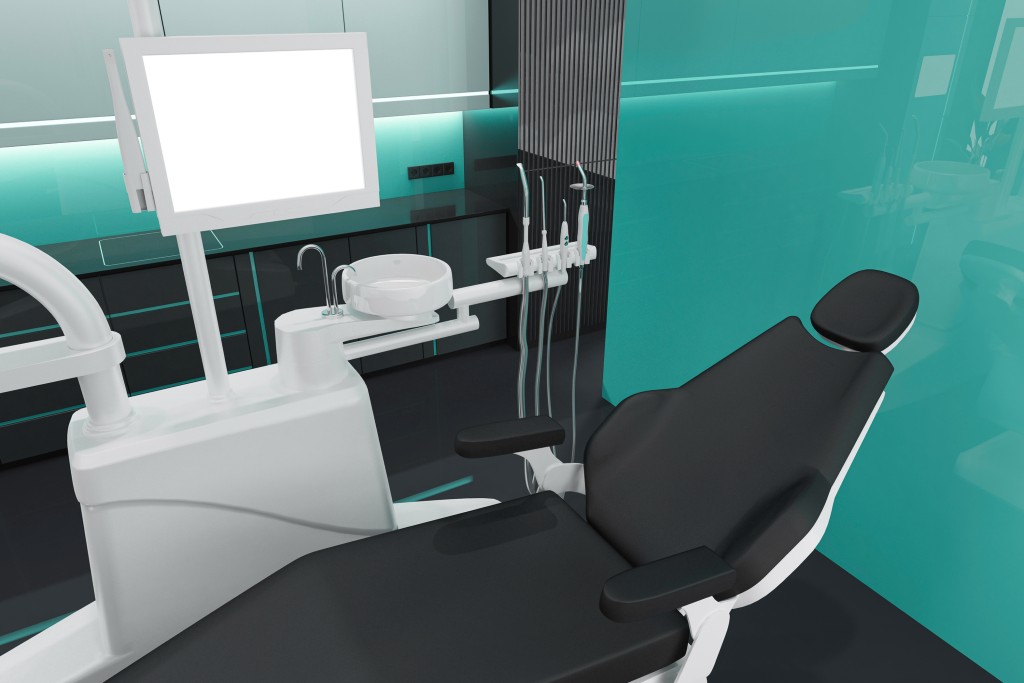
‘If you've booked time out of your dental chair and nobody's actually in it receiving treatment, you cannot earn your UDAs,’ he explained.
The BDA said it was currently negotiating with the Government, and options to mitigate no-shows will be set out in a consultation paper due to be published this summer.
The association pointed out that the growing problem was occurring at a time of severe pressure on NHS dental access, with analysis of GP Survey data showing that unmet need for care in England now affects nearly 14 million adults.
According to The Department of Health and Social Care, planned reforms to the NHS dental contract are aimed at improving access and creating a better system for dentists and patients.
A spokesperson told the BBC: ‘Our reforms to the dental contract will prioritise patients with the greatest needs, improving access across the country and delivering a better deal for dentists.’