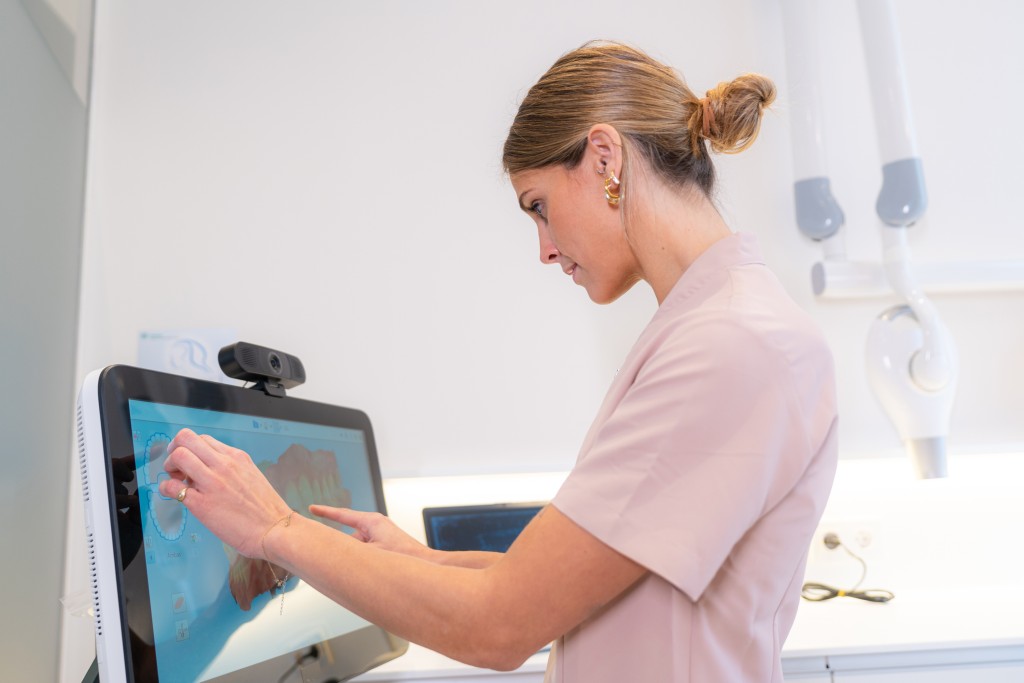
Around one in three dentists are now using artificial intelligence tools in clinical practice, while a further 38% are considering adoption, according to a survey of practitioners in the UK, US and Canada.
The poll of 300 licensed dentists, conducted by Dental Reviewed, found that 32% currently use at least one AI-powered tool in their daily workflow, while 12% had tried AI but subsequently stopped using it. A further 18% said they had no interest in adopting the technology.
The survey findings suggest that AI is becoming increasingly established within dentistry, although practitioners continue to view the technology primarily as a support tool rather than a replacement for clinical judgement.
Among dentists already using AI, 52% described it as a helpful second opinion, while 33% said they trusted their own judgement more than AI-generated outputs. Just 2% reported trusting AI more than their own clinical assessment.
Commenting on the figures, Marcus Hale, co-founder of Dental Reviewed, said: 'The most telling number in this survey isn't the 32% who use AI. It's the 52% who call it a second opinion.
'That tells you exactly where the profession stands: dentists want sharper tools, not a shorter leash.
‘The clinician stays in charge, and the technology earns its place by proving useful, not by promising to take over.'
Radiograph analysis was the most widely adopted application of AI, cited by 82% of current users, followed by treatment planning, clinical documentation, billing and patient communication.
Among those using AI, 28% said the technology helped identify findings they might otherwise have missed, while 22% said it confirmed existing diagnoses and 20% said it improved discussions with patients.
Forty-four per cent said case acceptance had increased after introducing the technology into practice, while 32% reported no change. Around a third (34%) reported a reduction in time per patient, while just over a quarter (26%) observed an increase.
Among dentists who had stopped using AI tools, cost was the most commonly cited reason (28%), followed by poor integration with existing practice management systems (22%) and concerns about accuracy and reliability (18%).
Forty per cent of those who abandoned AI did so within the first three months of adoption.
When asked what would make them more likely to adopt AI tools, dentists identified lower costs (24%), better integration with existing software (22%) and stronger clinical validation (20%) as the three most important factors.
Rachel Thompson, co-founder of Dental Reviewed, commented: 'Pricing, poor software integration, and a lack of published evidence are doing more to slow adoption than any scepticism about AI itself.’
The survey was conducted between February and April 2026 and included responses from 180 dentists in the US, 60 in the UK and 60 in Canada.