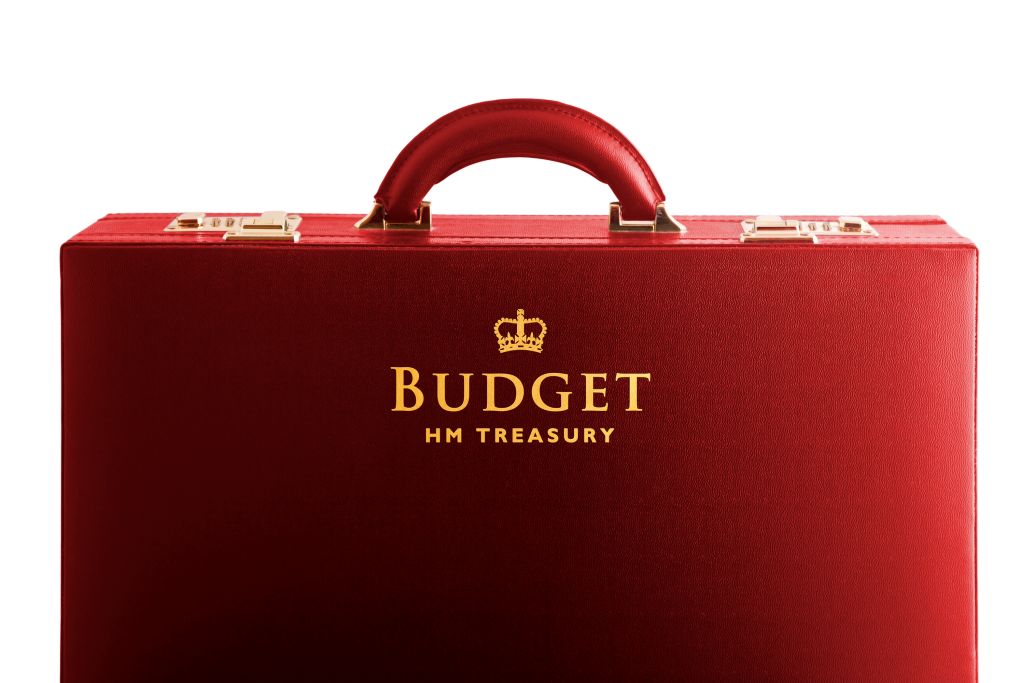
Dental practice owners will be paying more in tax when they sell due to changes introduced in Chancellor John Healey’s Budget yesterday.
Mr Healey announced that he was increasing the Capital Gains Tax (CGT) payable on sales by reducing the ‘Business Asset Disposal Relief limit’ from £1m to £500,000.
Previously, dentists selling their practices would have faced a CGT rate of 18% up to £1m worth of gains made from the sales, and 24% for anything above £1m. Under the new rules, however, they will have to pay the 24% rate on anything above £500,000, with the 18% only applying below half a million pounds in gains.
This would see dentists who sell their practices for a £1m gain facing an extra tax bill of £30,000.
Iain Stevenson, head of dental at Wesleyan, said: ‘The decision to reduce the Business Asset Disposal Relief limit from £1 million to £500,000 from April 2027 risks discouraging entrepreneurship and undermining the government's ambition to encourage business growth.’
He added that this represents ‘another squeeze on hardworking professionals who have been navigating a shifting tax landscape for years’.
‘For dentists who own their practices, reducing this relief could increase the Capital Gains Tax payable when selling their businesses, potentially reducing the financial rewards of years spent building and growing a practice. At a time when access to dental care remains a significant challenge, the Government should be careful not to introduce further disincentives to investment in the sector.’
Luke Moore, co-founder of Dental Elite, said: ‘In reality, if a practice has a gain of £1m they’ll now be paying £30,000 more in tax from the beginning of the next financial year.’
This becomes even more pronounced when it is a married couple selling, he added: ‘If a practice is run by two people – a husband and wife team, for example – this would rise to £60,000 more than before the Budget proposals come into effect if the gain was in excess of £2m.’
Other issues raised by the financial experts included:
- A freeze on the income tax thresholds, which Mr Stevenson warns could lead to more dentists ‘facing an effective 60% marginal income tax rate’ as they reach £100,000 annual pay due to inflation;
- The new ‘Founders Relief’ allowance for business founders on gains of £10m over a lifetime, which Mr Moore suggests could help some dental groups;
- A continuation of the Annual Investment Allowance for next year, which Mr Moore says allows dental practices and associates to claim 100% tax relief on qualifying dental equipment up to £1m in the first year.
Meanwhile, Neil Carmichael, executive chair of the Association of Dental Groups (ADG), said: 'The need to fund dentistry continues to be a priority and we would have liked to have seen a pledge in yesterday's budget in terms of an investment in patients' oral health. We have excellent NHS expertise and dental talent in this country and recent data show that those treated with NHS dental care are overwhelmingly pleased with the treatment they receive.
'But this costs money and must be paid for - fairly. I would urge the Chancellor to get to grips with the very real issues over NHS dentistry funding and give the nation the dental care it deserves.'