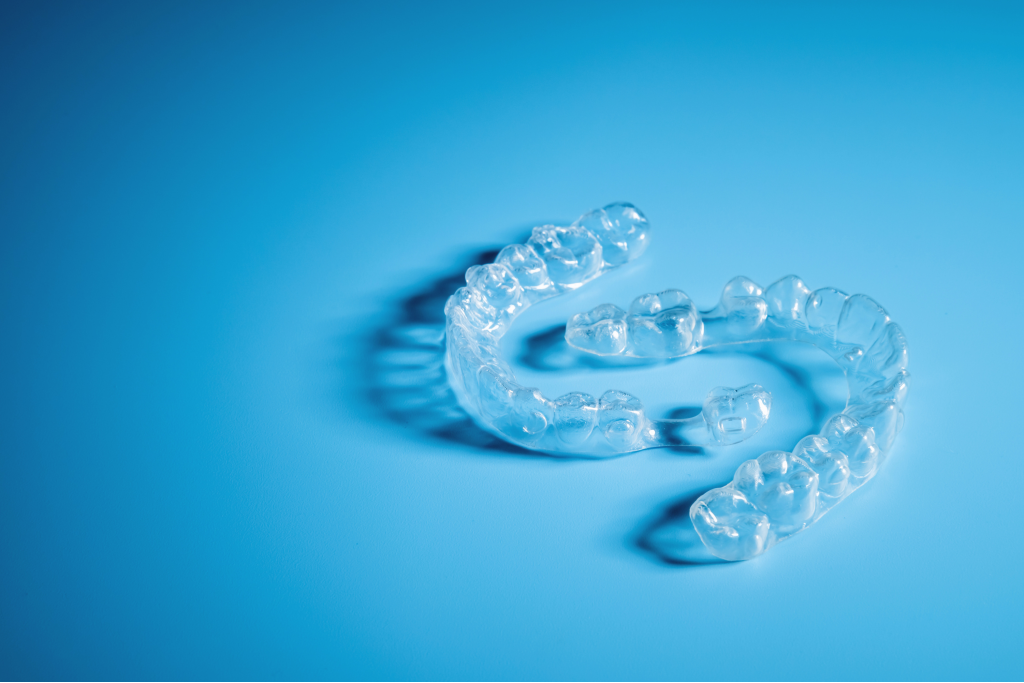
The British Orthodontic Society (BOS) has warned that the removal of VAT exemption for orthodontic aligners could increase treatment costs for patients and undermine the financial viability of NHS orthodontic services.
HMRC has removed orthodontic aligners from the list of VAT-exempt dental appliances following the recent tax tribunal involving Align Technology, which supplies aligners.
It revolved around whether aligners should count as ‘prostheses’, which are exempt from VAT, concluding ‘”dental prostheses”, as used in the exemption, means artificial items which replace missing or damaged teeth. They do not include the aligners.'
However, the BOS says that this will increase the cost of providing orthodontic treatment at a time when affordability and access are already under pressure.
The BOS warned that practices unable to absorb the additional costs would be forced to pass them on to patients, potentially placing treatment beyond the reach of some people and widening inequalities in access to care.
The society also expressed concern that the decision could signal a wider review of the VAT treatment of orthodontic appliances, including retainers and removable appliances, which it said are clinically necessary throughout treatment and for maintaining long-term outcomes.
Matt Clover, director of clinical practice at the BOS, believes the implications for NHS orthodontic services could be especially significant, with contracts potentially becoming ‘financially unsustainable’.
He said: 'NHS orthodontic contracts are already financially challenging to deliver, with practices operating within fixed contract values that have not kept pace with rising costs.
‘If VAT is applied to orthodontic appliances required as part of NHS treatment, providers will be unable to recover these additional costs through NHS contract payments.’
Mr Clover added that the potential impact on NHS orthodontic services for children and young people was a ‘particular concern’.
The BOS warned that, at a time when access to NHS dentistry remains a significant challenge, any policy that increases the cost of providing NHS orthodontic care risks prompting providers to hand back contracts, further reducing access to treatment for children.
The society said it had submitted evidence during the High Court proceedings and a subsequent appeal on the VAT status of orthodontic aligners, while a member of its board had also met Treasury officials to discuss the potential impact of the policy on patients, practitioners and NHS orthodontic services.
It called on HMRC and policymakers to engage with the profession and consider the wider implications of the changes, arguing that tax policy should support, rather than hinder, access to high-quality orthodontic treatment.
Last month, GDPUK reported on a dentist has successfully appealed his tax case against HMRC without a lawyer or accountant to represent him following a claim from the tax authorities for the sum of £224,750.