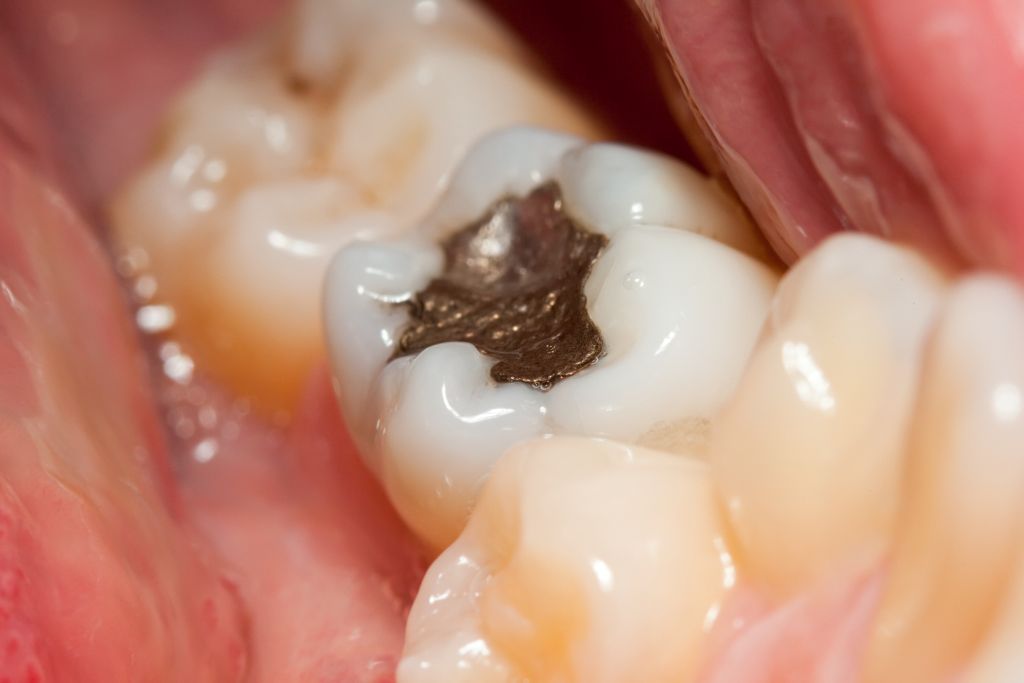
Dentists across Northern Ireland are being encouraged to undertake funded training in alternative filling materials ahead of the mandatory phase-out of dental amalgam by 31 December 2034.
In a letter to all registered dentists in Northern Ireland, chief dental officer Caroline Lappin confirmed that the Department of Health would continue funding an education and training programme to help practitioners prepare for the transition.
The programme is available to dentists working in primary care, community and hospital services, with particular emphasis on those who have limited experience of using alternatives to amalgam for restoring posterior teeth.
The letter states that the transition will require changes in clinical practice and an increasing reliance on alternative restorative materials.
The training, hosted on the Northern Ireland Medical and Dental Training Agency (NIMDTA) education platform, comprises a one-hour, on-demand webinar and a three-hour practical workshop.
The webinar covers non-amalgam filling materials suitable for posterior teeth, while the workshop provides practical experience in cavity design, material and matrices selection, isolation techniques, placement and restoration completion.
Both are free to attend and provide verifiable continuing professional development (CPD).
The chief dental officer wrote: ‘As we move towards the mandatory phase out of dental amalgam, it is important that practitioners are equipped with the knowledge and skills to use alternative restorative materials and I would encourage you to use this funded opportunity to assist with your learning and development.’
The preparations follow an agreement reached at the sixth Conference of the Parties to the Minamata Convention on Mercury in November 2025 to phase out dental amalgam globally by the end of 2034.
The UK was among the countries that opposed an earlier proposed deadline of 2030, arguing that more time was needed to make the transition.
The convention, which the UK signed in 2013, aims to protect human health and the environment from mercury pollution. Dental amalgam, which contains mercury, has been subject to measures intended to reduce its use under the international agreement.