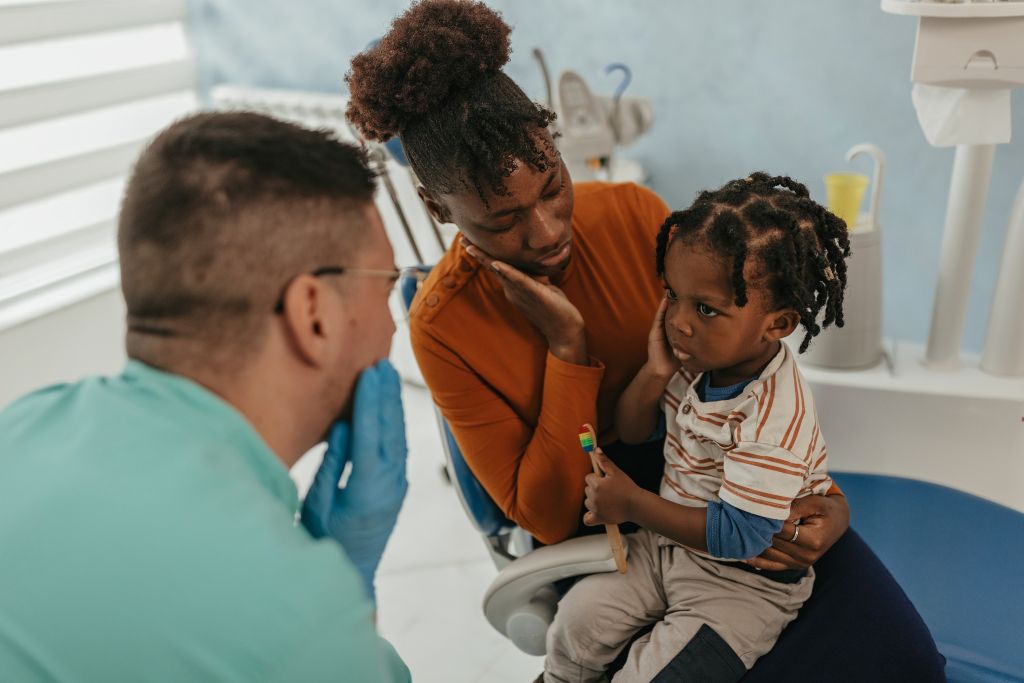
Children’s dental problems are prompting almost half of parents surveyed to work extra hours, according to research by Bupa Dental Care.
Nearly half (46%) said they had worked evenings or weekends to catch up on work after taking time off for children’s dental appointments or emergencies. For 18%, this has become a regular occurrence.
A further 45% said they had missed an important meeting, deadline or work commitment because of their child’s dental issues. For nearly one in five (19%), this disruption had happened on multiple occasions.
And 39% stated that their child’s dental pain or dental appointments have directly disrupted workdays.
Of 1,000 parents surveyed in March 2026, 12% reported that their child had been absent from school for more than six days due to dental issues in the past year.
The figures from Bupa Dental Care form part of a new campaign to help families tackle oral health anxiety early and curb the knock-on effects on UK businesses.
Bupa’s director of dentistry, Neil Sikka, said: ‘These findings clearly show that children’s dental health is no longer just a domestic issue, it is a workplace productivity issue. When a child suffers from dental pain or misses school, the operational burden heavily shifts to the parents, forcing many to miss critical meetings or log on during weekends just to catch up.’
He added: ‘By managing children’s oral health proactively, we can prevent the acute pain and dental emergencies that lead to sudden absenteeism, ultimately helping parents maintain a healthier balance between family life and their professional commitments.’
In February, the Government published figures showing that the number of 0 to 19-year-olds undergoing extractions as a result of decay stood at 33,976, an increase of 11% on last year.
The British Dental Association (BDA) described the statistics as ‘horrific’ and called for Government action to address them.
BDA chair Eddie Crouch said: ‘These horrific statistics are a badge of dishonour for governments past and present. Tooth decay can’t go unchallenged as the number one reason for child hospital admissions.’