The Dental Laboratories Association (DLA) has called for a proposed 70% increase in medical device registration fees to be paused, warning that the additional costs could ultimately be passed on to dental practices.
The Medicines and Healthcare products Regulatory Agency (MHRA) is proposing to increase its medical devices post-market surveillance (PMS) registration fee from £300 to £511 per chargeable GMDN (Global Medical Device Nomenclature) Level 2 category from April 2027.
The DLA pointed out that the £300 annual charging structure was introduced only in April this year and argued that businesses should be given at least a full year under the system before a further increase is considered.
In a letter to Layla Moran MP, chair of the House of Commons health and social care committee, the association said it had not seen sufficient evidence to demonstrate that the proposed increase was proportionate.
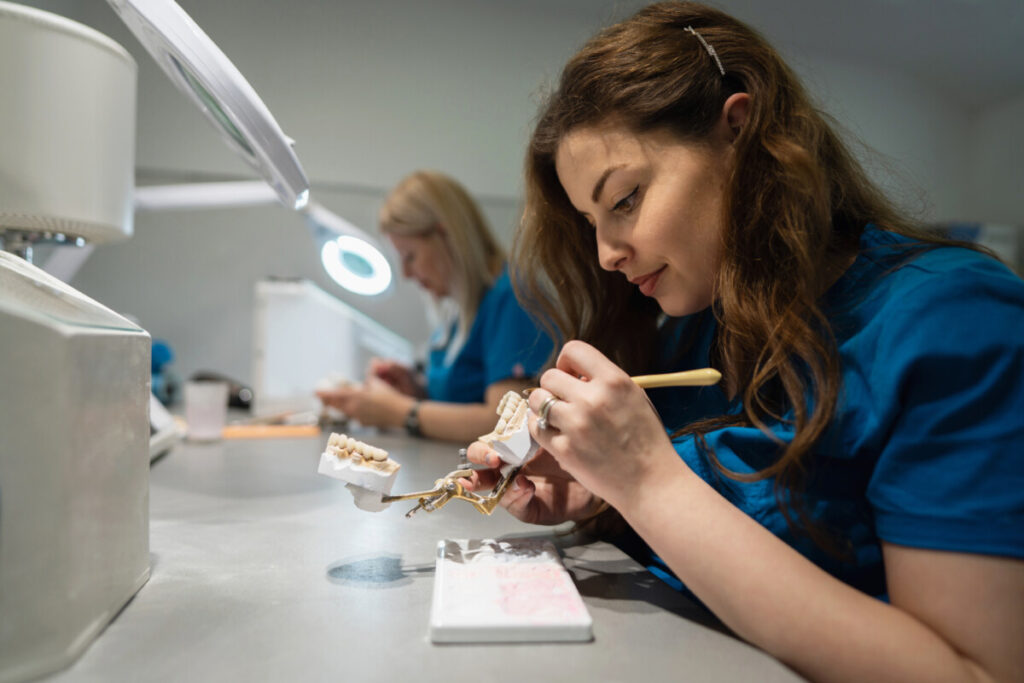
The DLA, which represents more than 1,100 members accounting for nearly half of the dental laboratory profession, said many of its members were small and micro businesses manufacturing custom-made medical devices for NHS and private dentistry.
It questioned whether the charging system adequately reflects differences in risk and regulatory workload between different types of medical device.
Under the system, a small manufacturer can face the same charge for a GMDN Level 2 category as a much larger medical device manufacturer, with the fee not directly determined by factors including turnover, profitability or number of employees.
The latest consultation opened on August 17 and is due to close on September 25. The DLA said the proposals did not contain the sector-specific evidence needed for its members to assess whether the £511 charge was proportionate.
It warned that laboratories were already facing pressures from employment costs, materials, energy and other overheads, and said additional compulsory costs would either reduce margins or be passed through the dental supply chain.
The association emphasised that crowns, bridges, dentures and other custom-made appliances were essential to dental care and argued that higher manufacturing costs could eventually be borne by practices, the NHS or patients.
Steve Campbell, director of policy at the DLA, said:: ‘What [dental laboratories] should not be expected to accept is an unexplained 70% increase in a fee introduced only 12 months earlier, under a charging structure that has yet to demonstrate that it fairly reflects either regulatory risk or the actual cost of regulating their sector.’
The association has asked the government and the MHRA to allow the existing system to operate for at least one complete year, publish evidence about its impact and then consult again before introducing a further increase.