Only 2,000 complex care pathways – representing 0.015% of NHS activity – were undertaken in the five months after their introduction, the BDA revealed today.
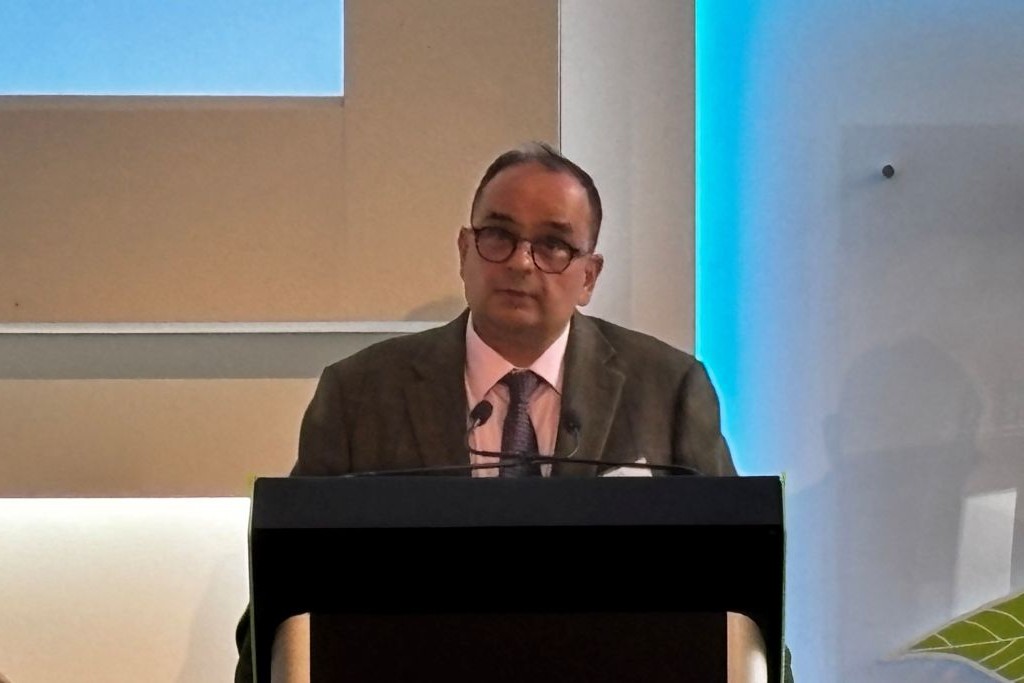
Speaking at the LDC Officials' Day in London today, Dr Vijay Sudra, vice chair of the organisation’s General Dental Practice Committee, said that NHS dentists were not taking up the complex care pathway (CCP) because they were overly bureaucratic and underfunded.
When the 200-odd predominantly-NHS delegates were asked how many had undertaken a CCP, only one person raised their hand.
At the same event, Ali Sparke, the director of dentistry at NHS said that numbers were increasing, but acknowledged that there were problems with the scheme.
Three CCPs were introduced on 23 June 2026, and were intended to address concerns around patients with significant caries and/or unstable and more severe periodontitis.
They include: pathway 1, for dental caries in five or more teeth, which pays £293.40; pathway 2, for dental caries in five or more teeth and unstable periodontal disease, and pays £732.47; and pathway 3, first diagnosis of Stage III or unstable Grade C periodontal disease, which pays £256.21.
But from the outset there were issues around the complexity of the paperwork and around incorporation within the various software systems.
Dr Sudra said that in the run-up to the 2026/27 contract implementation, there had been ‘green shoots’ and some positivity.
However, when the contract was announced, there was a feeling among the profession’s negotiators that ‘many aspects of the package had been over-engineered’.
He added: ‘I'm afraid NHS England got significant parts of this package wrong, notably the care pathways. And I won't call them complex care pathways because the treatment is not complex.
‘The pathways were not reflective of what was in the consultation. There was no mention in the consultation of a disease pathway. These pathways don't recognise your time for repairing broken teeth.
‘We had a meeting last night with NHS England, and I reminded them last year 37.6 million courses are founded delivered. As of month five, 2,000 complex care pathways were started. That's equivalent to 0.015% of all courses of treatment, so it's hardly a resounding success.’
There were a number of reasons why people weren’t adopting them, he added: ‘It's too much bureaucracy, an increased administrative burden and the tariff is inadequate. The time needed to deliver all of this that affects your ability to deliver your other UDA targets because you're using more of your time.’
Speaking in a Q&A session later in the day, Mr Sparkes acknowledged problems around the pathways, but claimed that ‘numbers were going up’ – which led to laughter among delegates.
He said: ‘There is more money available, but it seems to be too difficult. Clearly there's too much admin and people are not finding it easy to grapple with some of the guidance around it. ‘We're listening to that. We are really keen to work with you and find out what it is you can do to make those better.’
We will be having more coverage next week on complex care pathways and the LDC Officials' Day